
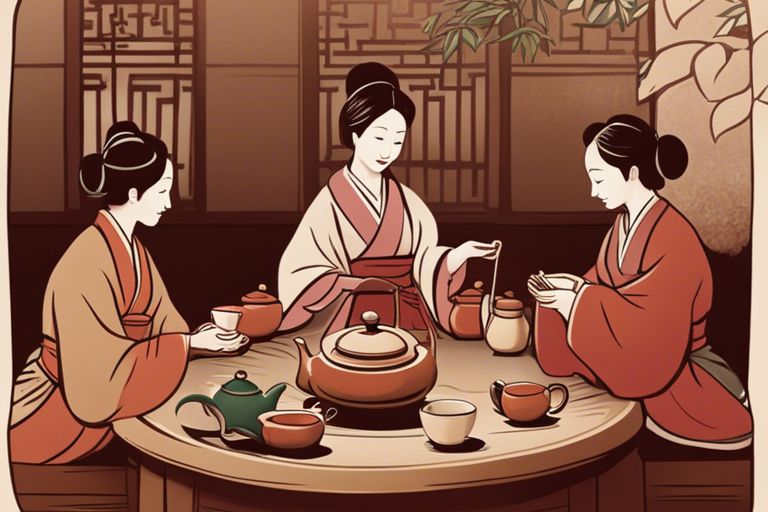
Delve into the rich history and tradition of tea as a healing elixir that spans centuries. From its origins in ancient China to its widespread use in modern times, tea has been celebrated for its medicinal properties by cultures around the world. In this blog post, we will explore the ancient wisdom of tea and its profound impact on health and wellness. Discover the fascinating ways in which different types of tea have been used to treat various ailments and promote overall well-being. Join us on a journey to rediscover the healing powers of this timeless beverage.
The Roots of Tea as a Healing Agent
Ancient China and the Discovery of Tea
Roots of the use of tea as a healing agent can be traced back to ancient China, where the discovery of tea is steeped in legend and mythology. According to one popular legend, the Chinese Emperor Shen Nong accidentally discovered tea around 2737 BC when tea leaves blew into a pot of boiling water he was drinking from, creating a delightful aroma and taste that led to the development of tea as a beverage and as a healing agent.
Tea was initially used as a medicinal drink in ancient China, with its healing properties documented in various ancient texts. It was believed to have a cooling effect on the body and was used to treat ailments such as headaches, digestive issues, and even as an aid for mental clarity and focus.
Discovery
Discovery of the healing properties of tea also took place in ancient India through the practice of Ayurveda. In Ayurvedic medicine, tea, or “Chai” as it is known in India, is used to balance the body’s doshas, or energies, and to promote overall health and well-being. Different herbs and spices are often added to the tea blend based on their therapeutic properties, creating a customized healing beverage tailored to individual needs.
To this day, Ayurveda continues to be an influential force in Indian medicine, and the use of tea as a healing agent remains an integral part of this ancient healing tradition. The blend of herbs and spices in Ayurvedic teas harness the ancient wisdom of natural remedies to bring balance and healing to the body, mind, and spirit.
Tea Varieties and Their Health Benefits
Some of the most popular types of tea, such as green, black, and herbal infusions, have been celebrated for their health benefits for centuries. Each variety offers its own unique set of healing properties, making tea an essential part of traditional medicine in many cultures.
Green Tea: The Elixir of Immortality
For centuries, green tea has been revered as the elixir of immortality in traditional Chinese medicine. Packed with powerful antioxidants and nutrients, green tea has been linked to a range of health benefits, from improving brain function and enhancing fat burning to lowering the risk of cancer and various other diseases.
The high concentration of catechins in green tea is believed to be responsible for its potent medicinal properties, making it a beloved remedy in ancient healing practices.
Black Tea: The Heart-Healthy Brew
The robust flavor of black tea is matched only by its equally robust health benefits. Their antioxidant properties, such as reducing the risk of heart disease and stroke, as well as improving gut health and lowering cholesterol levels, make black tea a valuable addition to any wellness routine. The natural polyphenols found in black tea contribute to its heart-healthy reputation, making it a cornerstone of traditional healing practices.
The consumption of black tea has also been associated with enhanced cognitive function and immune system support, further solidifying its status as a vital component of holistic health.
Herbal Infusions and Their Targeted Remedies
To further harness the healing power of nature, herbal infusions offer a range of targeted remedies for various ailments. From soothing chamomile to invigorating ginger, each herbal infusion provides unique health benefits that have been cherished for centuries in traditional medicine systems.
Brewed with carefully selected herbs and botanicals, herbal infusions offer a natural and effective way to address specific health concerns, whether it’s promoting relaxation, aiding digestion, or supporting overall well-being. With their diverse range of medicinal properties, herbal infusions continue to be an integral part of natural healing practices.
Tea Rituals and Healing Ceremonies
After centuries of use, tea has become deeply ingrained in many cultures as a symbol of healing and wellness. Throughout history, various rituals and ceremonies have been developed around the act of preparing and consuming tea, each with its own unique approach to promoting physical, mental, and spiritual well-being. These traditions offer valuable insights into the healing properties of tea and serve as a testament to the enduring power of ancient wisdom in modern wellness practices.
The Japanese Tea Ceremony: A Spiritual Approach to Wellness
Ceremonies centered around the Japanese tea tradition, known as chanoyu or chado, are rooted in Zen Buddhism and emphasize harmony, respect, purity, and tranquility. The elaborate and highly choreographed nature of the ceremony reflects a deep spiritual connection to nature and the elements, as well as a reverence for the process of preparing and serving tea. This approach to tea drinking is less about the physical act of consuming the beverage and more about achieving a state of mindfulness, heightened awareness, and inner peace, making it a holistic practice for promoting well-being.
The Moroccan Mint Tea Tradition: Social Health and Community
Ceremonies surrounding the Moroccan mint tea tradition hold a special place in the country’s social fabric, serving as a means of bringing people together to connect, share, and strengthen community ties. The elaborate process of preparing and serving mint tea, often flavored with sugar and infused with fresh mint leaves, is a symbol of hospitality and generosity. This tradition not only promotes social health and interaction but also reflects the importance of taking time to nurture relationships and foster a sense of belonging within a community.
Ceremony of Moroccan mint tea tradition revolves around social health and community involvement, promoting hospitality, generosity, and interconnectedness through the act of preparing and sharing tea. It symbolizes the value of nurturing relationships and creating a sense of belonging within a community, highlighting the holistic benefits of tea beyond its physical healing properties.
By integrating these longstanding tea rituals and ceremonies into our modern lifestyles, we can tap into the ancient wisdom of these practices and harness their potential for promoting overall wellness in today’s fast-paced world.
Modern Science and Ancient Wisdom
Your journey into the world of ancient healing practices and the rediscovery of the wisdom of tea is incomplete without understanding the intersection of modern science and traditional knowledge. The validation of the healing properties of tea through scientific research has shed new light on the age-old practices of using tea for health and wellness.
Scientific Research Validating Traditional Claims
For centuries, different cultures have touted the medicinal benefits of tea, but it wasn’t until recent years that scientific research began to validate these claims. Studies have shown that certain compounds in tea, such as polyphenols and catechins, possess powerful antioxidant and anti-inflammatory properties, which play a crucial role in disease prevention and overall well-being. These findings have brought a new level of credibility to the traditional uses of tea for healing.
Integrating Tea into Contemporary Healthcare
Validating the ancient wisdom of tea has paved the way for its integration into contemporary healthcare practices. Healthcare professionals are increasingly recognizing the potential of tea in promoting health and treating various ailments. From incorporating tea into holistic wellness programs to utilizing its properties in pharmaceuticals, the integration of tea into modern healthcare represents a harmonious blend of traditional knowledge and cutting-edge medicine.
Integrating tea into contemporary healthcare not only aligns with the principles of natural healing and wellness, but it also offers a promising avenue for personalized and holistic approaches to health. As the scientific understanding of tea continues to evolve, its role in modern healthcare is poised to expand, offering new options for those seeking natural and effective solutions for their well-being.
Rediscovering Ancient Wisdom – How Tea Has Been Used For Healing For Centuries
So, in conclusion, it is evident that tea has been a powerful healing agent for centuries, with ancient wisdom and modern science coming together to confirm its numerous health benefits. From boosting the immune system to reducing stress and anxiety, tea has proven to be a valuable tool for promoting overall well-being. Its rich history and cultural significance further highlight its importance as a healing elixir. With ongoing research and revival of ancient practices, the use of tea for healing continues to be a relevant and impactful tradition in today’s world. As we rediscover the ancient wisdom of tea, we are reminded of its enduring power and potential for improving our physical, mental, and emotional health.


